One Health

Human disruptions to natural systems are causing climate change and other major environmental upheavals including biodiversity loss, zoonotic disease emergence, toxic pollution, heat emergencies, and flooding that will have major impacts on the health of human and animal populations. To reflect the intersectionality and interconnectedness of the health of humans, animals, and the shared (and rapidly changing) environment, I-TECH partners with the Center for One Health Research in designing and implementing programs that use the One Health approach to prevent, detect, and respond to emerging disease threats. I-TECH’s One Health approach focuses on strengthening disease surveillance systems and laboratories to detect and assess new infectious disease threats, as well as detecting “sentinel” cases of disease in humans and animals that are indicators of health impacts of environmental change.

In 2022, I-TECH formed the Global One Health Group to support the prevention, detection, and response to emerging disease threats throughout the world. By leveraging the strength and expertise of the University of Washington Center for One Health Research and other UW partners, I-TECH is providing effective training, technical assistance, and laboratory services to support capacity and systems strengthening in affected communities. The Global One Health Group includes experts in zoonotic and other infectious diseases, antimicrobial resistance, public health, animal health, environmental health, and implementation science.
Program Highlights

HIV Care and Treatment

Military Laboratory Systems Strengthening and HIV Testing Services

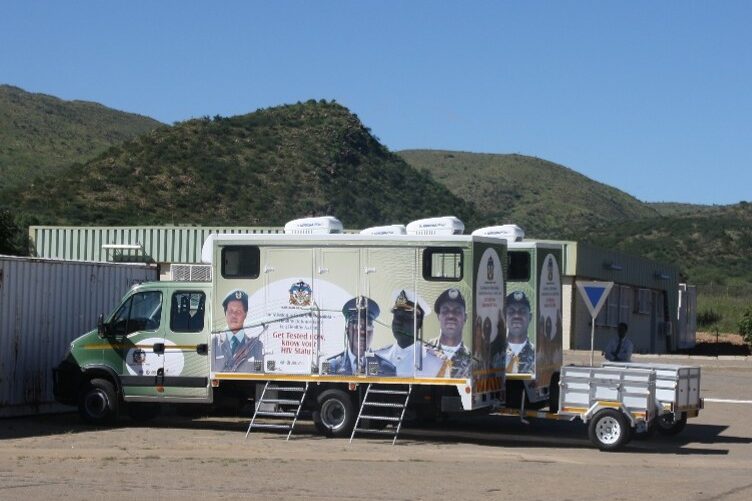
I-TECH provided technical support, training, and mentoring from 2006-2016 to the Namibia Ministry of Defence/Namibia Defence Force (MoD/NDF) under the US DOD-funded Military Action and Prevention Program (MAPP) to strengthen military laboratory systems, improve quality management practices, and enhance access to HIV Testing Services (HTS). The support focused on equipping the military hospital laboratory, establishing…

Read more

Strengthening the HIV Testing Workforce in Namibia

For more than 15 years, ITECH (then an affiliate of I-TECH/UW, and funded by PEPFAR through the US CDC) has played a sustained role in strengthening Namibia’s HIV testing workforce through large-scale capacity building of frontline health care workers. On average, 350 Health Assistants and Nurses (including other Implementing Partners supporting the MoHSS) were trained…

Read more

Strengthening HIV Rapid Testing Quality Assurance in Namibia

ITECH has provided sustained technical support to the Ministry of Health and Social Services (MoHSS) to strengthen the quality, reliability, and standardisation of HIV Rapid Testing services across Namibia through the national HIV Rapid Testing Quality Assurance (RTQA) programme since 2010. A key component of this support has been ensuring that all HIV Rapid Testing…

Read more

Innovative Training Models in Tanzania

I-TECH Tanzania has implemented many pre- and in-service training initiatives and materials, as well as adopted TrainSMART. TrainSMART I-TECH Tanzania adopted TrainSMART, a database system created by I-TECH, to track health care worker (HCW) training, and has integrated TrainSMART with the national Human Resource Information System (HRIS). The TrainSMART system helps to ensure a strong and…

Read more