Pre-exposure Prophylaxis (PrEP)

Pre-exposure prophylaxis (PrEP) is a medication to prevent HIV infection in HIV-negative people. PrEP can stop HIV from taking hold and spreading throughout the body, and when taken daily, oral PrEP is highly effective for preventing HIV from sex or injection drug use. Additionally, expectant mothers who are HIV-negative can take PrEP to prevent infection, and thus prevent mother-to-child transmission (MTCT), during the critical periods of pregnancy and breastfeeding.[1] PrEP and the prevention of MTCT greatly contribute to the UNAIDS “fast-track” targets for prevention, which aims to reduce the number of new HIV infections in 2030 to fewer than 200,000.[2]

Despite scale-up of HIV testing and treatment in Africa, adolescent girls and young women (AGYW), as well as individuals in sero-discordant relationships, have high incidence of HIV. I-TECH supports PrEP delivery at HIV care and treatment clinics for partners of individuals receiving antiretroviral therapy (ART). In addition, I-TECH’s work in PrEP coincides with its efforts to support programs that provide for the physical and mental health of AGYW.

In partnership with the Elizabeth Glaser Pediatric AIDS Foundation, I-TECH faculty Jeff Lane and Aaron Katz prepared the briefs in the sidebar, which outline policy considerations for the scale-up of PrEP for adolescent girls and young women (AGYW) in Kenya, South Africa, and Uganda.

  1. World Health Organization (WHO). WHO expands recommendation on oral pre-exposure prophylaxis of HIV infection (PrEP). Policy Brief. November 2015.
  2. UNAIDS. Understanding Fast-Track: Accelerating Action to End the AIDS Epidemic by 2030. June 2015.
Program Highlights

HIV Care and Treatment

Military Laboratory Systems Strengthening and HIV Testing Services

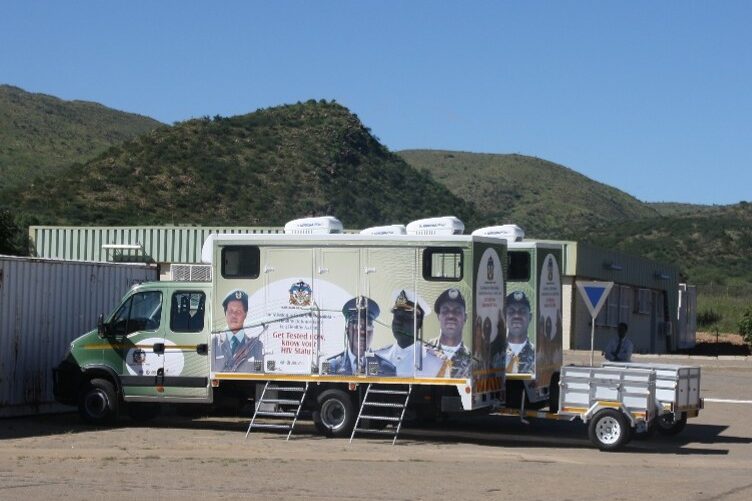
I-TECH provided technical support, training, and mentoring from 2006-2016 to the Namibia Ministry of Defence/Namibia Defence Force (MoD/NDF) under the US DOD-funded Military Action and Prevention Program (MAPP) to strengthen military laboratory systems, improve quality management practices, and enhance access to HIV Testing Services (HTS). The support focused on equipping the military hospital laboratory, establishing…

Read more

Strengthening the HIV Testing Workforce in Namibia

For more than 15 years, ITECH (then an affiliate of I-TECH/UW, and funded by PEPFAR through the US CDC) has played a sustained role in strengthening Namibia’s HIV testing workforce through large-scale capacity building of frontline health care workers. On average, 350 Health Assistants and Nurses (including other Implementing Partners supporting the MoHSS) were trained…

Read more

Strengthening HIV Rapid Testing Quality Assurance in Namibia

ITECH has provided sustained technical support to the Ministry of Health and Social Services (MoHSS) to strengthen the quality, reliability, and standardisation of HIV Rapid Testing services across Namibia through the national HIV Rapid Testing Quality Assurance (RTQA) programme since 2010. A key component of this support has been ensuring that all HIV Rapid Testing…

Read more

Innovative Training Models in Tanzania

I-TECH Tanzania has implemented many pre- and in-service training initiatives and materials, as well as adopted TrainSMART. TrainSMART I-TECH Tanzania adopted TrainSMART, a database system created by I-TECH, to track health care worker (HCW) training, and has integrated TrainSMART with the national Human Resource Information System (HRIS). The TrainSMART system helps to ensure a strong and…

Read more